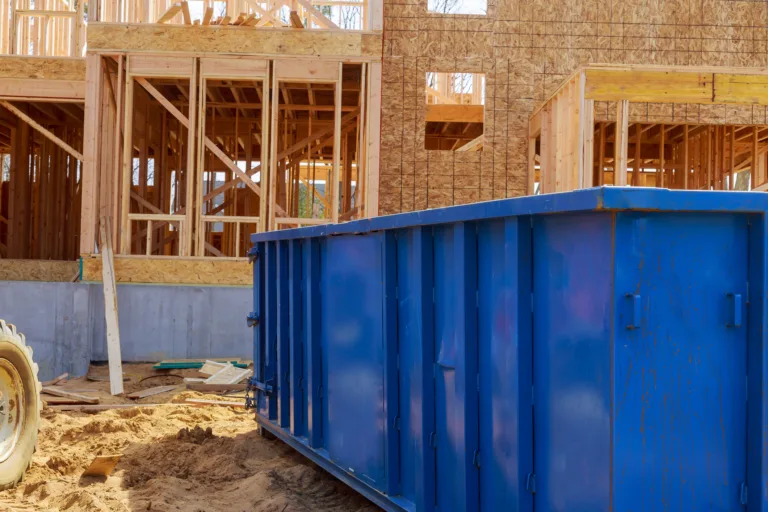

Why Las Vegas Contractors Choose Eclipse Waste Management
Contractors need more than a dumpster provider. They need a waste management partner that helps keep projects moving. At Eclipse Waste Management, we work with contractors throughout the Las Vegas area to provide dependable dumpster rental services that support construction, renovation, roofing, demolition, and cleanout projects of all sizes.
Contractors choose Eclipse because we offer:
- Fast dumpster delivery and pickup throughout the Las Vegas area
- Multiple dumpster sizes to accommodate different project needs
- Flexible rental periods for both short-term and long-term jobs
- Transparent pricing with no hidden surprises
- Responsive customer support when project needs change
- Local knowledge of Las Vegas construction environments
Our goal is simple: provide reliable waste management solutions that help contractors maintain clean, organized, and productive job sites. Contact us today to schedule a delivery.
Why Effective Waste Management Matters on Las Vegas Construction Sites
Construction waste is a natural byproduct of nearly every project, but how it is managed can significantly impact productivity, safety, and overall project performance. From small renovations to large commercial developments, contractors who plan for debris removal are often better positioned to avoid unnecessary disruptions and keep work progressing efficiently.
Keeping Projects on Schedule
Construction schedules depend on coordination. When debris begins to accumulate, crews may spend valuable time moving materials, clearing work areas, or making room for incoming trades. A properly placed dumpster allows waste to be removed as work progresses, helping maintain an organized site and reducing avoidable delays.
Improving Job Site Safety
Loose debris, discarded materials, and overflowing waste piles can create hazards for workers, subcontractors, and visitors. Nails, wood scraps, broken concrete, packaging materials, and other construction waste can contribute to trips, falls, and other job site accidents.
Providing a designated location for waste disposal encourages cleaner work habits and helps maintain safer walking and working areas throughout the project. A well-managed site also makes it easier to identify potential hazards before they become larger problems.
Maintaining Compliance With Local Requirements
Contractors must often consider local regulations, property requirements, and project-specific obligations when managing construction debris. Proper waste containment can help prevent materials from spreading beyond the work area, creating issues with neighboring properties or public spaces.
Having a structured waste management plan also supports better site organization and helps demonstrate a professional approach to project management. Whether working on residential, commercial, or mixed-use developments, contractors benefit from treating waste management as an essential part of the construction process rather than an afterthought.
Dumpster Rental Options for Contractors in Las Vegas
Not all construction projects generate the same type or volume of debris. Selecting the right dumpster rental begins with understanding the available options and how they align with the scope of your project. Choosing the appropriate container can help improve efficiency, reduce unnecessary costs, and ensure waste is managed effectively throughout the job.
Roll-Off Dumpsters and Their Uses
Roll-off dumpsters are the most common waste management solution for construction projects. Designed for temporary use, these large open-top containers can accommodate a wide range of materials, including wood, drywall, roofing shingles, concrete, metal, and general construction debris.
Because they are delivered directly to the job site and removed when full, roll-off dumpsters provide contractors with a centralized location for waste disposal throughout the project. They are commonly used for:
- New construction projects
- Residential and commercial renovations
- Roofing replacements
- Demolition work
- Tenant improvements
- Large-scale property cleanouts
The ability to load debris continuously as work progresses helps keep sites cleaner and more organized.
Choosing the Right Dumpster Size
Dumpster size plays an important role in both cost control and project efficiency. A container that is too small may require additional hauls, while an oversized dumpster can unnecessarily occupy valuable job site space.
The ideal size depends on factors such as the project scope, expected debris volume, material types, and available site space. Contractors should evaluate both the expected amount of waste and the rate at which debris will be generated when selecting a container.
Short-Term vs. Long-Term Rentals
Some projects require a dumpster for only a few days, while others may need ongoing waste management support for several weeks or months. Short-term rentals are often suitable for demolition phases, roofing projects, and cleanouts. Long-term rentals can provide a more practical solution for larger construction projects that generate debris throughout multiple stages of work.
Working with a provider that offers flexible rental periods allows contractors to adjust as project timelines evolve and site conditions change.
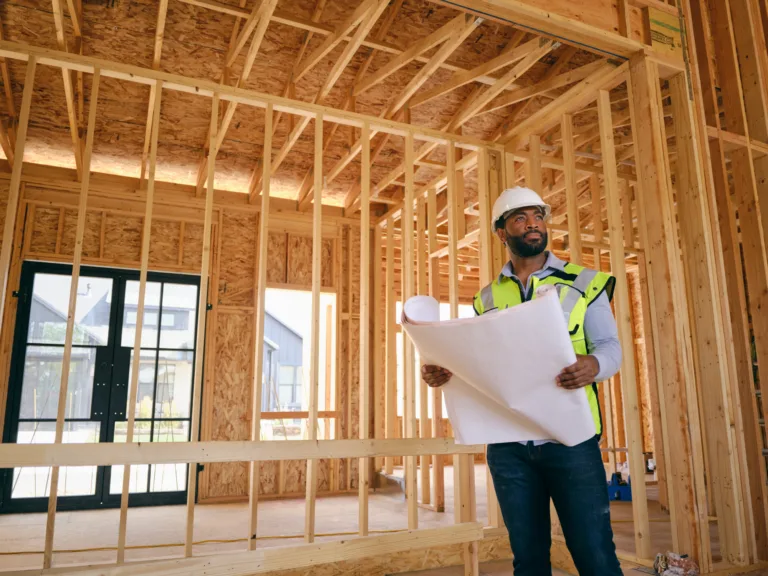
How to Select the Right Dumpster for Your Project
Choosing the right dumpster can help prevent delays, avoid unnecessary costs, and keep waste management running smoothly throughout the project. While every job site is different, contractors can make more informed rental decisions by evaluating debris volume, material weight, and site logistics before scheduling delivery.
Estimating Debris Volume
One of the most common mistakes contractors make is underestimating the amount of waste a project will generate. Demolition work, roofing replacements, remodeling projects, and new construction can produce significant amounts of debris in a short period of time.
When estimating volume, consider the types of materials being removed, the project’s square footage, and the scope of work. It’s also important to account for packaging materials, pallets, and other waste generated by deliveries throughout the project. In many cases, choosing a slightly larger container can be more cost-effective than scheduling multiple unplanned haul-aways.
If you’re unsure how much capacity you’ll need, discussing the project details with your dumpster provider can help identify the most practical option.
Considering Material Weight Limits
Volume is only part of the equation. Construction materials vary significantly in weight, and some debris can reach weight limits long before a dumpster is physically full.
Materials such as concrete, brick, asphalt, dirt, and roofing shingles are considerably heavier than drywall, wood, insulation, or packaging materials. Contractors should consider both the amount and type of debris they expect to dispose of when selecting a container.
Understanding weight restrictions before delivery can help prevent overloaded dumpsters, additional fees, and unnecessary disruptions to the project schedule.
Planning for Site Accessibility and Placement
Dumpster placement can have a major impact on job site efficiency. Ideally, the container should be positioned close enough to work areas to minimize unnecessary labor while still allowing safe access for workers, equipment, and delivery vehicles.
Before scheduling delivery, evaluate available space, site traffic patterns, overhead clearances, and potential obstacles such as utility lines, fences, gates, or parked vehicles. Contractors working in tight urban environments may need to coordinate placement carefully to avoid interfering with neighboring properties or ongoing construction.
A well-placed dumpster makes waste disposal faster and easier for crews, helping maintain a cleaner worksite and reducing time spent transporting debris across the property.
Best Practices for Managing Construction Waste
Renting the right dumpster is only part of an effective waste management strategy. Contractors who establish clear procedures for handling debris can often maintain cleaner job sites, improve productivity, and reduce avoidable disruptions throughout the project.
Separating Recyclable Materials
Many construction projects generate materials that can be diverted from landfills through recycling programs. Metal, cardboard, concrete, asphalt, and certain wood products may be recyclable depending on the material and local requirements.
Separating recyclable materials when practical can simplify disposal efforts and support sustainability initiatives. For larger projects, creating designated areas for specific waste streams can help crews dispose of materials more efficiently and reduce contamination.
Preventing Overloaded Containers
Overloaded dumpsters can create safety concerns and complicate transportation. Debris that extends above the top of the container may need to be removed before haul-away can occur, potentially causing delays and additional labor costs.
Contractors should encourage crews to distribute materials evenly throughout the dumpster and avoid placing excessive amounts of heavy debris in a single container. Regularly monitoring fill levels can also help identify when a haul-away or dumpster swap may be needed before capacity becomes an issue.
Scheduling Timely Haul-Aways
Construction debris can accumulate quickly, particularly during demolition, framing, roofing, and cleanup phases. Waiting too long to schedule service can leave crews working around overflowing containers or temporary waste piles.
Planning haul-aways in advance helps ensure dumpsters remain available when needed and reduces the likelihood of interruptions during critical stages of the project. For larger jobs, establishing a regular service schedule may be more efficient than arranging pickups on an as-needed basis.
Training Crews on Proper Disposal Procedures
Even the best waste management plan can become ineffective if workers are unsure where materials belong or what can be placed in the dumpster. Providing basic guidance at the start of a project helps create consistent disposal practices across the job site.
Contractors should communicate expectations regarding acceptable materials, recycling procedures, and safe loading practices. When crews understand the process, waste is more likely to be handled correctly, helping maintain a cleaner, safer, and more organized work environment.
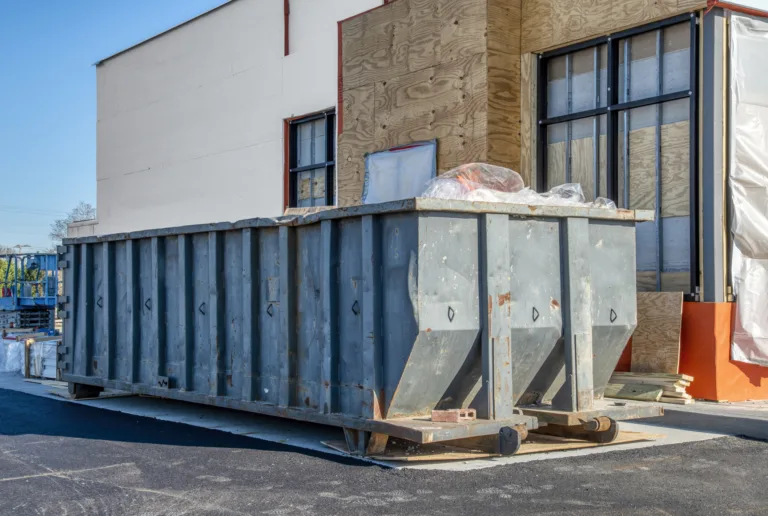
How Reliable Dumpster Service Can Improve Project Efficiency
Waste management may not be the first thing contractors consider when evaluating project performance, but it can directly impact productivity, labor costs, and overall job site operations. Reliable dumpster service helps ensure debris is removed efficiently so crews can stay focused on the work that drives the project forward.
Reducing Labor Costs
When waste management is poorly planned, workers often spend valuable time moving debris, clearing work areas, or making trips to off-site disposal facilities. These tasks can divert skilled labor from higher-value construction activities and lead to unnecessary project expenses.
Having the right dumpster on-site allows crews to dispose of materials quickly as work progresses. Centralized waste collection reduces handling time and helps workers remain focused on their primary responsibilities, improving overall labor efficiency.
Minimizing Site Downtime
Full dumpsters, overflowing debris piles, and delayed pickups can create bottlenecks that slow project progress. Work areas may become difficult to access, equipment movement can be restricted, and certain tasks may need to be postponed until waste is removed.
Reliable dumpster service helps prevent these disruptions by ensuring containers are delivered, emptied, or replaced when needed. Contractors who proactively coordinate waste removal are often better positioned to maintain momentum and avoid delays.
Supporting a Cleaner and More Professional Worksite
A clean, organized job site benefits both project teams and clients. Workers can move more safely and efficiently throughout the site, while property owners, inspectors, and project stakeholders often view organized operations as a reflection of overall professionalism.
Maintaining proper waste management practices throughout construction helps reduce clutter, improve site appearance, and create a more productive work environment. Over time, these small operational advantages can contribute to smoother project execution and a better overall experience for everyone involved.
For many contractors, reliable dumpster service is not simply a convenience. It is an important component of effective project management that supports efficiency from groundbreaking through final cleanup.
Contact Eclipse Waste Management Today
Whether you’re managing a residential renovation, commercial build, roofing project, demolition job, or ongoing construction site, having a dependable waste management partner can make a meaningful difference in project efficiency. That’s where Eclipse Waste Management comes in.
We provide contractors throughout the Las Vegas area with reliable dumpster rental solutions designed to meet the demands of modern construction projects. From helping you select the right container size to coordinating timely deliveries and pickups, our team is committed to making waste management simple and hassle-free.
If you’re planning an upcoming project and need a dumpster rental partner you can count on, contact Eclipse today. We’ll help you find the right solution to keep your job site clean, organized, and running smoothly from start to finish.
FAQs About Waste Management in Las Vegas
How long can contractors keep a dumpster rental in Las Vegas?
Rental periods vary depending on the provider and the needs of the project. Many contractors rent dumpsters for a few days during demolition or cleanup phases, while larger construction projects may require ongoing service for several weeks or months. Flexible rental options can help accommodate changing schedules and project timelines.
What size dumpster is best for a construction project?
The best dumpster size depends on the type of work being performed, the expected amount of debris, and the available on-site space. Smaller renovation projects may require a more compact container, while major construction, demolition, or roofing jobs often benefit from larger roll-off dumpsters. Discussing your project details with your rental provider can help determine the most appropriate option.
Can construction materials be mixed in the same dumpster?
In many cases, common construction debris can be placed in the same dumpster. However, certain materials may have disposal restrictions, recycling requirements, or weight considerations. Contractors should review accepted materials with their dumpster provider before loading the container to avoid potential issues or additional fees.
Do I need a permit for a dumpster in Las Vegas?
Permit requirements often depend on where the dumpster will be placed. Containers located entirely on private property typically do not require permits, while placement on public streets, sidewalks, or rights-of-way may require approval from the appropriate local authority. Contractors should verify any permitting requirements before scheduling delivery.