
Why Hazardous Waste Should Never Be Put in a Dumpster

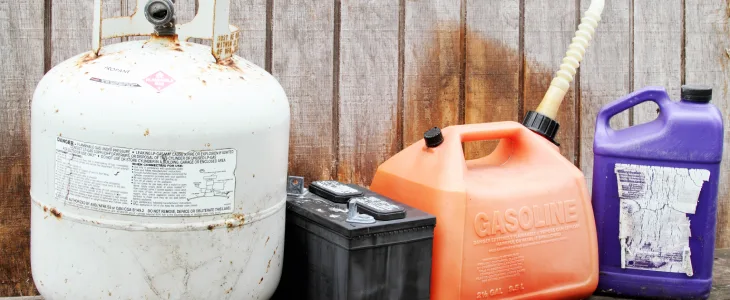
Propane tank, gas can, and other hazardous waste
Share on Facebook
Share on X
Share on LinkedIn

Hazardous waste is an inevitable byproduct of industries such as construction, chemical manufacturing, and healthcare. Proper disposal of these materials is not just a matter of compliance but a crucial aspect of environmental responsibility and public health. Understanding why hazardous waste should never end up in a dumpster is fundamental for businesses in these sectors in Las Vegas and beyond.

What Counts as Hazardous Waste

Hazardous waste encompasses a wide range of materials that pose a significant threat to public health and the environment. These include:

  • Chemicals: Solvents, cleaners, and other industrial chemicals.
  • Biomedical Waste: Materials from hospitals and clinics.
  • Electronic Waste: Components containing heavy metals.

These substances require careful handling and specialized disposal methods to prevent harm. Less obvious examples include:

  • Paints and Thinners: Common in construction and renovation projects.
  • Batteries and Electronics: Containing heavy metals like lead and mercury.
  • Pharmaceutical Products: Frequently generated by healthcare facilities.

Understanding the full scope of hazardous waste helps businesses design safe and compliant disposal strategies.

The Dangers of Throwing Hazardous Waste in Dumpsters

Improperly disposing of hazardous waste in a standard dumpster can lead to severe consequences:

  • Environmental Damage–Soil and water contamination harm wildlife and ecosystems.
  • Health Hazard–Direct or indirect exposure can cause serious health issues for workers and the public.
  • Community Impact–Negligent disposal can spark public outrage and damage a company’s reputation.

Many hazardous substances persist in the environment for years, compounding the damage and creating long-term risks.

Legal Consequences of Improper Disposal

Improper disposal isn’t only dangerous — it’s also illegal. Businesses face steep fines, penalties, and potential lawsuits if hazardous materials are placed in regular dumpsters. Regulatory agencies such as OSHA and the EPA enforce strict rules to protect both the public and the environment.

Non-compliance can result in:

  • Fines and enforcement actions from state and federal agencies.
  • Cleanup liability, where companies are responsible for remediation costs.
  • Increased operational expenses, as lawsuits and legal fees add to financial strain.

For many businesses, the cost of proper disposal is far lower than the long-term risks of non-compliance.

Safe Disposal Practices for Hazardous Waste

Managing hazardous waste responsibly means keeping it out of standard dumpsters and following best practices, including:

  • Segregating hazardous materials from regular waste.
  • Using appropriate containers and labeling.
  • Hiring licensed professionals for collection and disposal.

Additional safeguards include staff training, emergency preparedness plans, and regular compliance audits. These steps help protect employees, the community, and the environment while reducing legal exposure.

Consult With Eclipse Waste Management

Improper disposal of hazardous waste in standard dumpsters carries serious risks — from health and environmental damage to costly legal penalties. Let Eclipse Waste Management advise you on safe, compliant hazardous waste removal in Las Vegas. Contact us today to learn about your waste disposal options. 

FAQs About Hazardous Waste Disposal

Can hazardous household items go in my residential dumpster?
No. Even everyday items like paint, batteries, and cleaning chemicals are considered hazardous and must be taken to designated collection sites or handled by a licensed disposal service.

What fines apply for improper disposal in Nevada?
Fines vary depending on the material and severity, but penalties can range from hundreds to tens of thousands of dollars per violation. Repeat offenses can lead to criminal charges.

How do I know if a material is hazardous?
Check product labels for warnings such as “toxic,” “flammable,” or “corrosive.” If in doubt, contact Eclipse or your local environmental agency for guidance.

Propane tank, gas can, and other hazardous waste
Why Hazardous Waste Should Never Be Put in a Dumpster

Hazardous waste is an inevitable byproduct of industries such as construction, chemical manufacturing, and healthcare. Proper disposal of these materials is not just a matter of compliance but a crucial aspect of environmental responsibility and public health. Understanding why hazardous waste should never end up in a dumpster is fundamental for businesses in these sectors in Las Vegas and beyond.

What Counts as Hazardous Waste

Hazardous waste encompasses a wide range of materials that pose a significant threat to public health and the environment. These include:

  • Chemicals: Solvents, cleaners, and other industrial chemicals.
  • Biomedical Waste: Materials from hospitals and clinics.
  • Electronic Waste: Components containing heavy metals.

These substances require careful handling and specialized disposal methods to prevent harm. Less obvious examples include:

  • Paints and Thinners: Common in construction and renovation projects.
  • Batteries and Electronics: Containing heavy metals like lead and mercury.
  • Pharmaceutical Products: Frequently generated by healthcare facilities.

Understanding the full scope of hazardous waste helps businesses design safe and compliant disposal strategies.

The Dangers of Throwing Hazardous Waste in Dumpsters

Improperly disposing of hazardous waste in a standard dumpster can lead to severe consequences:

  • Environmental Damage–Soil and water contamination harm wildlife and ecosystems.
  • Health Hazard–Direct or indirect exposure can cause serious health issues for workers and the public.
  • Community Impact–Negligent disposal can spark public outrage and damage a company’s reputation.

Many hazardous substances persist in the environment for years, compounding the damage and creating long-term risks.

Legal Consequences of Improper Disposal

Improper disposal isn’t only dangerous — it’s also illegal. Businesses face steep fines, penalties, and potential lawsuits if hazardous materials are placed in regular dumpsters. Regulatory agencies such as OSHA and the EPA enforce strict rules to protect both the public and the environment.

Non-compliance can result in:

  • Fines and enforcement actions from state and federal agencies.
  • Cleanup liability, where companies are responsible for remediation costs.
  • Increased operational expenses, as lawsuits and legal fees add to financial strain.

For many businesses, the cost of proper disposal is far lower than the long-term risks of non-compliance.

Safe Disposal Practices for Hazardous Waste

Managing hazardous waste responsibly means keeping it out of standard dumpsters and following best practices, including:

  • Segregating hazardous materials from regular waste.
  • Using appropriate containers and labeling.
  • Hiring licensed professionals for collection and disposal.

Additional safeguards include staff training, emergency preparedness plans, and regular compliance audits. These steps help protect employees, the community, and the environment while reducing legal exposure.

Consult With Eclipse Waste Management

Improper disposal of hazardous waste in standard dumpsters carries serious risks — from health and environmental damage to costly legal penalties. Let Eclipse Waste Management advise you on safe, compliant hazardous waste removal in Las Vegas. Contact us today to learn about your waste disposal options. 

FAQs About Hazardous Waste Disposal

Can hazardous household items go in my residential dumpster?
No. Even everyday items like paint, batteries, and cleaning chemicals are considered hazardous and must be taken to designated collection sites or handled by a licensed disposal service.

What fines apply for improper disposal in Nevada?
Fines vary depending on the material and severity, but penalties can range from hundreds to tens of thousands of dollars per violation. Repeat offenses can lead to criminal charges.

How do I know if a material is hazardous?
Check product labels for warnings such as “toxic,” “flammable,” or “corrosive.” If in doubt, contact Eclipse or your local environmental agency for guidance.